Author: RichardSchiver

  • Looking Back 50 Years

    Looking Back 50 Years

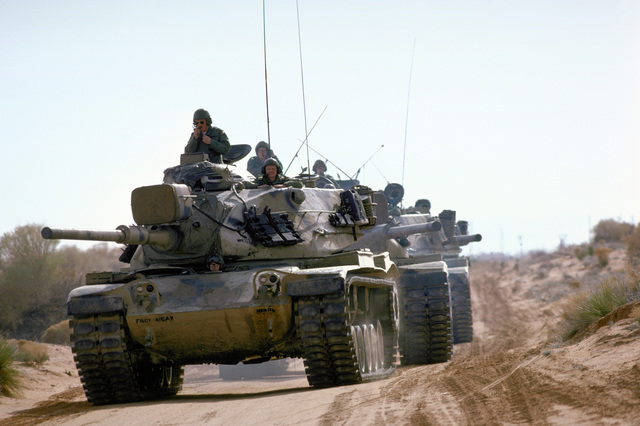
    50 years ago, at 17, I held up my right hand and swore an oath to protect the constitution against all enemies foreign and domestic. Served five years as an armor crewman with three deployments to West Germany, and came home to start my civilian life. I served with a number of men who fought in Vietnam and who earned my utmost respect for what they had done, and gone through.

    Until recently I never felt my service accounted for much. Never fired my weapon in anger, and while I had been shot at a couple of times it had been during training.

    To celebrate this milestone I posted the following on Facebook.

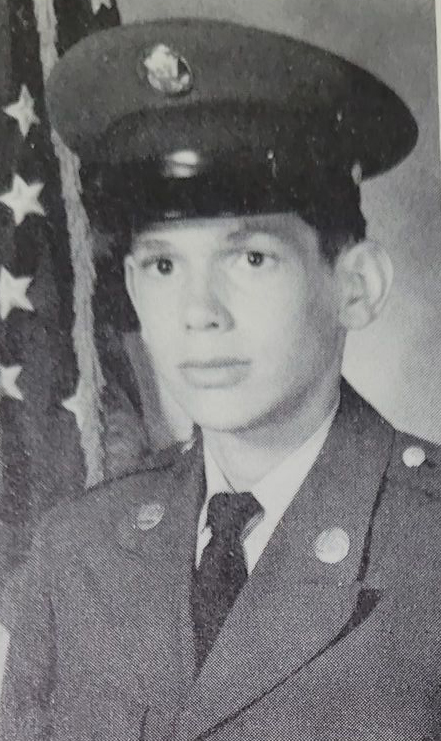
    Me in 1976
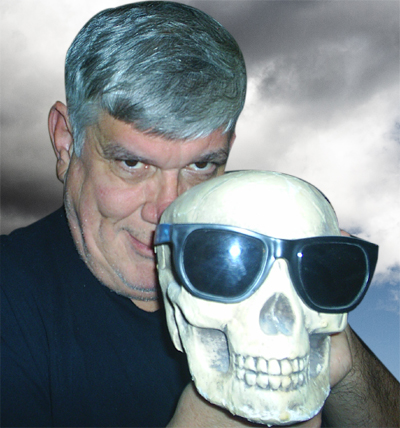
    Me now

    50 years ago on July 30, 1976, I boarded a bus for Pittsburgh, PA. The first leg on an adventure that would find me traveling to Germany three times to stand with my brothers against the threat of the Soviet Union and Warsaw Pact.

    Fifty years later the wall that separated East Germany from the west is gone. I’ve grown heavier, my hair has turned white, and my steps are not as assured as those of the bright eyed 17 year old I once was. But I wouldn’t trade that experience for anything.

    I learned things about myself, the world around me, and those who stood with me that no amount of formal education could ever replicate. I’m honored and thankful to have served my country.

    The response was overwhelming. But one really stood out and it reassured me I had done the right thing and made a difference no matter how small it might have been.

    I’ve been thanked for my service in the past, but nothing brought it home to me like a comment from a man who had been born in Berlin in 1961. Who managed to leave in 1979 to come to the United States. A sincere thank you from someone who everyday of their childhood lived under the threat of a Soviet takeover had it not been for those of us who stood firm in the defense of a people we didn’t even know.

    It reminded me of the family I met in Germany who took us into their home when our equipment broke down during field exercises. They fed us, helped keep us warm, and sincerely thanked us for just being there and doing what we were doing.

    I’ve always been a private person, rarely sharing my feelings with anyone but those closest to me. An attitude in sharp contrast to my desire to build an audience for my writing, but it is something I’m going to try to remedy in the future. I’m going to start sharing stories from my past, some are funny, some are not. But they’ll offer a snapshot into the events that shaped who I have become.

  • Weekly Writing Challenge: 07/29/2026

    Weekly Writing Challenge: 07/29/2026

    K is for Knucklebones part 6

    Continued from 07/22/2026

    Hers.

    The room disappeared.

    She was eight years old and under the table, knees hugged to her chest, trying not to breathe too loud. Jonah crouched beside her, his face streaked with dirt, his eyes enormous in the dark. Above them, Elsie’s footsteps moved across the kitchen floor. Slow. Searching.

    “Ask it,” Jonah whispered.

    In his cupped hands, the bones clicked though he was holding them still.

    “Ask what?” young Destiny said.

    Jonah smiled with too many shadows on his face, in his mouth, leaking from his thin lips.

    “Where to put me.”

    Destiny came back choking on a sound she had not made. She was on the dining room floor, one hand pressed against the underside of the table, the other clawing at her throat. The wet print had vanished. Her palm remained dry.

    Above her, the bones moved again with a muted click.

    She pulled herself upright, knocking her shoulder against the table edge. The seven pieces were rearranged into a shape she recognized from Elsie’s drawing.

    The open mouth.

    Elsie’s rule came back to her with terrifying clarity. Each answer permits one question from the dead.

    The bones did not spell their question.

    It opened it inside her.

    Where did you leave him?

    Destiny bit down on the inside of her cheek until she tasted blood. Elsie’s warning shouted through her. Speak plainly. Lie to the dead and you owe a chamber.

    “I don’t know,” she said.

    The instant the words left her mouth, every door in the house closed with a soft click.

    Not slammed. Not blown by the wind. Locked, one after another, from the front hall to the pantry to the bedrooms above, a measured procession of latches turned by invisible hands. The final click came from somewhere much closer.

    Inside her left ear.

    Destiny clapped a hand to the side of her head. The room tilted. For a moment she could not remember the word for table. She saw it in front of her, brown and rectangular and waiting, but the name had been taken from her.

    A chamber may be a memory.

    Upstairs, in Jonah’s voice, something laughed softly.

    Destiny did not remember standing.

    One moment she was on the floor with the word table missing from her mind and the laugh sinking through the ceiling. The next, she was at the kitchen sink with both hands under running water, scrubbing hard enough to redden the knuckles. The faucet shrieked in the pipes. Dawn pressed gray and thin against the window.

    Hours had passed.

    Her phone lay on the counter beside the sink, dark except for the time. 5:43 a.m. Destiny stared at the numbers until they made sense, then looked down at her hands.

    Black dirt was packed beneath every fingernail.

    Not dust from the house. Nor grime from the old boxes. Wet, dark earth, the kind that clung to roots. It streaked her wrists and collected in the lines of her palms. The water in the sink was running nearly black.

    She turned off the faucet. In the silence that followed, she heard humming.

    It took several seconds to realize the sound was coming from her. A nursery rhyme, tuneless and slow, each note dragged out thin as a thread.

    One for the floorboards.
    Two for the key.
    Three for the dark place.
    Four if it’s me.

    To be continued.

  • Weekly Writing Challenge 07/22/2026

    Weekly Writing Challenge 07/22/2026

    When I originally started doing this challenge it was to help me focus on writing short stories, something I’m not really that good at. To help me really focus my time I would only allow myself one hour to get 500 or more words done for each installment. But with this one I’m trying a different approach, a voice different than my own, a voice I’m not entirely familiar, nor comfortable with. I hope I’m pulling it off. Would love to hear your thoughts in the comments. Thanks for stopping by.

    K is for Knucklebone Contd.

    Destiny whimpered in her throat and clamped her hand over her mouth. Not to silence herself, but to make sure the voice had not come from her.

    She waited for the counting to start again, but the silence continued unabated, surrounding her with a promise she failed to keep. The quiet was worse. It settled over her. pressing down until she felt the weight of the house above her. Ceiling, floorboards, empty bedroom, an attic as dark as a held breath.

    Leave, the thought offered the promise of escape. Stand up. Take the keys. Drive until the road had lines again, where the gas stations were bright, and no one knew this house ever had your name.

    Instead, Destiny reached for the notebook.

    The page with the rules waited open as if it had never been shut. Each throw allows one question from the living. She read the sentence until it became a dare.

    She gathered the seven bones into her palm. They were heavier than they should have been. Not by much, only enough to make her aware of them as separate little weights, each one pressing a private cold onto her skin. The J.V. bone remained warm.

    “One question,” she said, and hated the tremor in it.

    The house gave no answer.

    Destiny closed her fist around the bones. She did not shake them. Elsie had written not to shake them for sport. That careful, obedient child still lived in Destiny and did not want Elsie angry. She simply held them above the table and opened her hand.

    They fell without sound.

    No clatter. No tap. The bones struck the wood as if the table had become soft flesh and accepted them. They lay scattered in what might have been a pattern and might have been nothing at all.

    Destiny leaned closer. The carved marks were no longer merely marks. They shifted when she tried to focus, becoming slashes, then hooks, then letters she recognized only from the corner of her eye. She blinked hard. Her vision watered. The bones settled into meaning.

    NO.

    Her throat closed.

    She had not asked the question out loud. She had only formed it, silently and completely in her mind.

    Is Jonah dead?

    The answer sat on the table, impossible, intimate.

    “No,” Destiny whispered. She did not know whether she was reading or denying it.

    The bones twitched.

    Not all of them. Only three. A brief adjustment, small enough that another person might have missed it. But Destiny saw because she had been staring too hard to blink. One bone rolled a quarter turn. Another slid against it. The J.V. bone dragged itself across the tabletop, leaving no scratch, nor trail. Only a darkening line in Destiny’s mind where it had been.

    The marks changed.

    BELOW.

    The house answered.

    Something knocked beneath the floorboards.

    Destiny jerked her feet up onto the chair rung. The knock came again, directly under the table this time, dull and patient. Then a dragging sound followed, slow enough to be deliberate, as if a hand were moving through packed earth below the dining room and feeling for the underside of the floor.

    She should have run. Instead, she slid from the chair and crouched, every joint moving with the unwilling care of someone approaching a sleeping animal.

    The underside of the dining table was glossy with moisture.

    At first she thought the old wood had sweated in the damp. Then the moisture gathered into a shape. A palm, five narrow fingers, each fingertip dark with dirt. A child’s hand print blooming from the wood, upside down, wet and shining.

    Destiny stared at it until her eyes hurt.

    “Jonah?”

    The hand print flexed.

    The fingers did not move like fingers. They lengthened only a  bit, smearing downward, becoming less like a print and more like something pressing through from the other side. Destiny raised her own hand without meaning to. Her palm hovered beneath the table, inches from the wet mark.

    Don’t touch it!

    Her hand rose.

    When her palm met the print, cold went through her so fast she thought she had been cut open. The hand print fit her hand exactly.

    Not Jonah’s hand. Not a child’s hand.

    To be continued 07/296/2026

  • Weekly Writing Challenge 07/15/2026

    Weekly Writing Challenge 07/15/2026

    K is for Knucklebones

    Continued from 07/08/2026

    The following pages were worse because they were much neater. Elsie’s handwriting had become careful, reverent, each line spaced like scripture.

    The bones are not dice. Do not shake them for sport. Do not cast them in anger. Do not cast them where mirrors may see. Never ask the same question twice. Never ask a question whose answer you already fear.

    Destiny read the rules once, then again, slow enough that each sentence became heavier than the last. The house had gone quiet. Even the rain seemed to be holding its breath.

    On the next page Elsie had drawn the seven bones in different arrangements. Each pattern had a name. The listening hand, the shut eye, the crooked ladder, the open mouth. The drawings were precise. Beneath them were translations in a strange shorthand.

    Hand: something hears.
    Eye: something sees.
    Ladder: something climbs.
    Mouth: something answers.

    Destiny glanced at the bones on the table. They had not changed position, but now that she knew the shape had a name, she could not unsee it. The listening hand. Seven small pieces curved toward her, as attentive as a child pretending not to eavesdrop.

    She turned another page.

    Each throw allows one question from the living. Each answer permits one question from the dead. Speak plainly. Lie to the dead and you owe a chamber.

    The word chamber had been underlined so hard the pen had torn the paper.

    Destiny pressed her thumb against the tear. The paper gave beneath her skin. For one mad instant she imagined pushing through it, into some small dark room on the other side of the page.

    Below the rule, Elsie had written a warning in smaller letters:

    A chamber may be a room. A chamber may be a memory. A chamber may be the mouth, the hand, the sleep, the name. The dead do not need doors if the living make room for them.

    A sound escaped Destiny, too small to be a laugh and too dry to be a sob.

    “Dead people don’t ask questions,” she said.

    From upstairs, a floorboard creaked. Then another. Two careful steps, directly above the dining room. Ceiling dust drifted down through the light in a pale line.

    Destiny slammed the notebook shut.

    The bones clicked.

    Not loudly. Not enough to be sure. But when she looked down, the bone marked J.V. had shifted away from the curve of the hand and was now pointed toward the staircase.

    She pushed away from the table, backing into the parlor, unable to stop staring at it. Her heel struck the leg of the piano bench, and the bench scraped an inch across the floor. The sound too loud in the heavy silence.

    In the mantel photograph, Jonah’s printed hand still gripped her printed wrist. Tighter now, she thought, then hated herself for letting the thought escape its prison.

    The notebooks remained on the table. She should have packed them away. She should have put the bones back in the pouch, tied the red string, locked the box, driven through the rain to the hotel she had canceled. Instead, she returned to the chair.

    There are moments, Destiny would later think, when a person does not choose the haunted thing. They choose not to admit they have already chosen it.

    She opened the notebook again, deeper this time, past the lists of names and the diagrams, until she found a page where Elsie’s handwriting had broken its neat discipline. The ink slanted downward. Several words had been crossed out so fiercely they were unreadable.

    It is not Jonah.

    Destiny stopped breathing.

    The next line had been written larger.

    It learned about him from us.

    Beneath that, almost hidden in the crease of the binding, Elsie had added one final instruction:

    If it speaks in the boy’s voice, do not answer aloud. If it speaks in your voice, leave before you remember why.

    A slow cold opened inside Destiny, not in her chest but behind her eyes, as if a window had been raised in a room she had not known was there.

    Upstairs, the child began to count.

    “One.”

    Destiny closed her hands around the edge of the table.

    “Two.”

    The voice was Jonah’s. Of course it was. High and soft and slightly breathless, the way he had sounded when he ran too far ahead and called back from places she could not see.

    “Three.”

    At seven, the bones on the table rattled once.

    At eight, Destiny whispered, “Stop.”

    The counting stopped.

    For three heartbeats, the house was silent.

    Then, from the ceiling, in a voice that was not Jonah’s but hers, younger and bright with fear, came the answer.

    “You first.”

    To be continued!

  • Weekly Writing Challenge 07/08/2026

    Weekly Writing Challenge 07/08/2026

    K is for Knucklebones Pt 3

    Destiny read it twice. Then a third time, because the first two readings refused to change the words into something sensible.

    She should have put the key down. She knew this with a clarity reserved for bad decisions as they are being made. Instead, she slid the key into the lock.

    The click was small, but the house heard it anyway.

    The radiator knocked once in response. The kitchen window gave a soft pop in its frame. The piano in the parlor exhaled one low, silent note. Destiny froze with her fingers on the lid until all sound died into silence.

    Inside the sewing box there were no needles, no thread, or folded scraps of cloth. There was only a black velvet pouch tied with a piece of red string. The same one that had caused her so much trouble as a child. Beneath it a stack of small notebooks bound by the same red string.

    The pouch looked soft, it wasn’t, the fabric stiff with age. When Destiny lifted it, something inside pressed back against her palm with the hard insistence of knuckles beneath the skin.

    A smell rose from inside the box. Dust, candle smoke, and the sour-sweet odor from beneath the floorboards. Her mouth filled with the taste of pennies.

    She untied the string.

    The bones slid out onto the table before she tipped the pouch. There were seven of them, each small enough to close in a fist, polished yellow white with age. They did not tumble randomly. They arranged themselves in a loose curve, like fingers waiting to be counted.

    Destiny pushed back from the table so quickly the chair legs screamed against the floor.

    For a moment she was not thirty-two. She was eight, crouched in the pantry with Jonah beside her, both trying not to giggle while Elsie called from the kitchen, “Ready or not.” Something dry clicked in Jonah’s cupped hands. He whispered, “Your turn to ask.”

    The memory vanished as quickly as it appeared, leaving only questions in its wake.

    She leaned over the table. Tiny marks had been carved into the bones, not letters exactly, nor were they symbols she recognized. They looked like cuts that had healed badly. One bone was darker than the others, almost brown at one end, as if it had been held too close to a flame.

    Another bore two initials.

    J.V.

    The carving was fresh. Not new, exactly, but wet-looking, raw in the grooves, as if the bone had been wounded moments before she opened the box. Destiny touched it before she could decide not to.

    It was warm.

    Not room-warm. Not warmed by her hand. Warm like something that had only moments before lay beneath living flesh.

    The table lamp flickered.

    Destiny snatched her hand back. The seven bones remained in their curved arrangement. A hand? Was that what Elsie had called it? The memory teased with the promise of a revelation before it faded.

    The listening hand?

    She had not remembered that phrase in twenty-four years.

    From upstairs, directly above the dining room, came a child’s voice.

    “Destiny?”

    Her name came down through the ceiling with the softness of someone speaking through blankets.

    Destiny did not move. Her pulse beat in her throat, in her wrists, behind her eyes. She waited for the practical explanation to arrive. The wind. A neighbor. An animal in the attic. Her own mind, exhausted and cruel, refused to provide one.

    The voice spoke again.

    “You left me counting.”

    Destiny did not go upstairs. Her body wanted to. Her legs tightened toward the staircase as if some older part of her had already decided, but she kept both hands flat on the dining room table until the urge passed. The bones lay between her fingers. None of them moved.

    “I’m not doing this,” she said.

    The sentence had barely left her mouth before the radiator knocked once, sharp and disapproving.

    She forced herself to look away from the ceiling and toward the sewing box. The notebooks waited beneath the place where the pouch had been, tied together with the same red string. The top one had no title. Only one date, written in Elsie’s cramped hand. October 12, 1998. The year Jonah vanished.

    Destiny touched the cover. It felt greasy, as if it had been handled by many people. Or by the same person far too often.

    She opened it.

    The first pages were lists of names. Some she recognized from town. Children who had died in creek floods, farm accidents, fevers before vaccines. One boy struck by a train on the bend near St. Bartholomew’s. Others were only initials, ages, and little marks like the carvings on the bones. Next to several names, Elsie had written one word.

    Answered.

    What did it mean?